

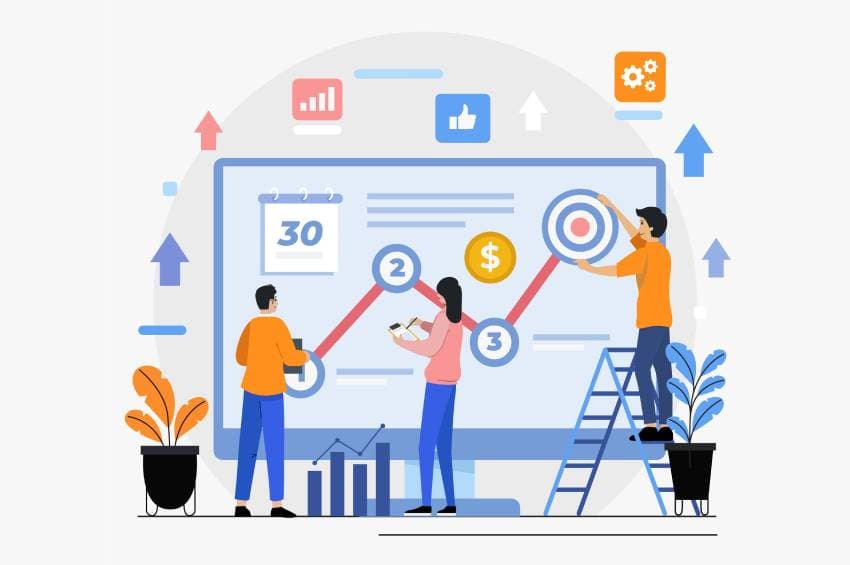
The sales funnel for cold traffic can turn unknown visitors into customers. However, turning strangers into customers is not easy because cold audiences are still trying to understand the value you are providing, your credibility, and how relevant your solution is to them.. Convincing them involves a adopting a structured approach, applying psychology, and achieving precision.
This article will assist you in understanding how to utilise the sales funnel to successfully execute lead generation, trust, conversion, and business growth strategies that Blueprint 360 has successfully implemented across various industries.
Understanding The Behaviour Of Cold Traffic
Before implementing any marketing funnel strategy, it is essential to understand who you are targeting. Cold traffic consists of new website visitors who have never interacted with your brand. They may arrive through search engines, paid advertisements, or social media campaigns. These users are categorised as cold leads because they lack familiarity and established trust.
Effective cold audience marketing begins with intent mapping. Businesses must analyse what the audience is searching for, what problem they are trying to solve, and what level of awareness they currently possess. They should frame their messaging accordingly. When messaging aligns with real intent, attracting cold traffic becomes purposeful.
5 Strategic Steps To Guide Cold Traffic Towards Conversion
Step 1: Use Awareness-Stage Marketing To Attract Cold Traffic
The first stage of a sales funnel for cold traffic focuses entirely on awareness-stage marketing. This stage introduces your brand through informative and value-driven communication.
Search engine optimisation plays a key role in attracting cold traffic. Educational blogs, keyword-focused service pages, and structured website design help brands appear at the exact moment potential customers search for solutions. Paid campaigns can also amplify reach, but the messaging must focus on value rather than direct selling.
Awareness stage marketing builds familiarity gradually. The objective is to position the brand as credible and helpful before expecting any commitment.
For example, we implemented SEO-driven keyword identification and structured content optimisation for Study Smart CBSE, improving visibility among students and parents searching for CBSE academic support. This strengthened organic discovery without relying on aggressive promotional messaging.
Step 2: Integrate Lead Generation Into The Funnel
Once visitors engage with your content, the next objective is structured lead generation. Traffic alone does not generate revenue. You must convert attention into quality leads.
A focused landing page aligned with user intent improves conversion probability. Clear value propositions, persuasive content writing, and intuitive design encourage visitors to take the next step. Relevance and continuity between the advertisement, content, and landing page strengthen performance within your marketing funnel strategy.
Lead generation should feel like a natural progression rather than a forced action. When visitors see direct value, they are more willing to share contact details and move deeper into the funnel.
For example, we executed a targeted LinkedIn lead generation campaign for VFM for their firewall services, combining strategic audience targeting, optimised messaging, and conversion-focused creatives to generate qualified inquiries and build a structured, scalable lead acquisition funnel.
Step 3: Nurture Cold Leads Through Strategic Communication
After capturing contact information, the funnel must gradually build familiarity and authority. Immediate selling weakens trust, particularly with cold leads who are still evaluating credibility.
Nurturing involves structured communication, educational content, and consistent engagement across channels. Email sequences, remarketing advertisements, and informative blogs help reinforce expertise and maintain visibility. Behaviour tracking further supports personalised messaging, which enhances engagement and strengthens conversion funnel optimisation.
The objective at this stage is to transform cold leads into informed prospects who understand both the problem and the value of your solution.
For example, we developed a structured content strategy and web presence for RightComply.ai, ensuring that visitors received clear, informative communication about workforce compliance solutions before any direct conversion push.
Step 4: Apply Conversion Funnel Optimisation For Final Action
When awareness and trust are established, the funnel transitions towards conversion. At this stage, prospects require clarity, reassurance, and ease of action.
Conversion funnel optimisation focuses on reducing friction. Simplified navigation, transparent messaging, persuasive content placement, and clear calls to action increase the likelihood of commitment. Retargeting strategies can re-engage users who previously interacted with the brand but did not convert.
The final stage should eliminate uncertainty rather than introduce complexity. When the purchasing or enquiry process feels straightforward, decision-making becomes easier.
For example, in our work with OneGlobe Systems, we developed a streamlined website architecture, created persuasive and transparent content, ensured seamless design and hosting for frictionless navigation, and integrated lead generation mechanisms. By combining structured messaging with visible action points, the pathway from interest to enquiry became straightforward and conversion-focused.
Step 5: Refine Your Marketing Funnel Strategy Continuously
A successful marketing funnel strategy evolves through consistent measurement and optimisation. Monitoring key metrics such as conversion rates, engagement patterns, and cost per lead identifies areas for improvement.
Testing variations in content structure, keyword usage, page layouts, and messaging supports incremental performance gains. Continuous refinement ensures that attracting cold traffic results in long-term sustainable growth rather than temporary visibility.
For Saheli, we implemented a continuous refinement approach to strengthen the marketing funnel strategy. We managedsocial media campaigns, launched paid advertisements on Facebook with continuously refined messaging, and designed and maintained the website to ensure a seamless user journey.
Final Thoughts
A well-structured marketing funnel is not merely a theoretical framework; it is a strategic pathway that transforms cold traffic into meaningful enquiries and sales. From building awareness and establishing trust to optimising for conversion and continuously refining performance, each stage plays a critical role in effective lead acquisition.
Businesses that prioritise clarity, reduce friction, and rely on data-driven optimisation create sustainable growth rather than temporary visibility. When awareness, engagement, conversion, and refinement function cohesively, the result is consistent, measurable, and long-term business impact.
If your brand is attracting traffic but not generating enquiries, it may not be a visibility issue; it may be a funnel strategy gap. At Blueprint 360, we design and refine marketing funnels that convert attention into growth.
FAQs
What is the 10-3-1 rule in sales funnels?
The 10-3-1 rule states that out of 10 prospects contacted, 3 may show interest, and 1 may convert into a sale. It highlights the importance of volume and consistency in sales outreach.
Who is considered a cold audience in a sales funnel?
Who is considered a cold audience in a sales funnel? A cold audience consists of people who have never interacted with your brand before. They are unaware of your products or services and require education and trust-building before conversion.
What are the 5 stages of a sales funnel?
The five stages typically include Awareness, Interest, Consideration, Intent, and Conversion. Each stage moves prospects closer to making a purchase decision. The goal is to guide them smoothly through this journey.
What are common sales funnel mistakes?
Common mistakes include targeting the wrong audience, weak follow-ups, unclear calls to action, and neglecting data analysis. Many businesses also focus only on traffic instead of nurturing leads properly.